
Progressions & Regressions Are Non-Negotiable in Speed and Strength Training
Why treating every athlete the same sabotages development—and how intentional progression builds real results.
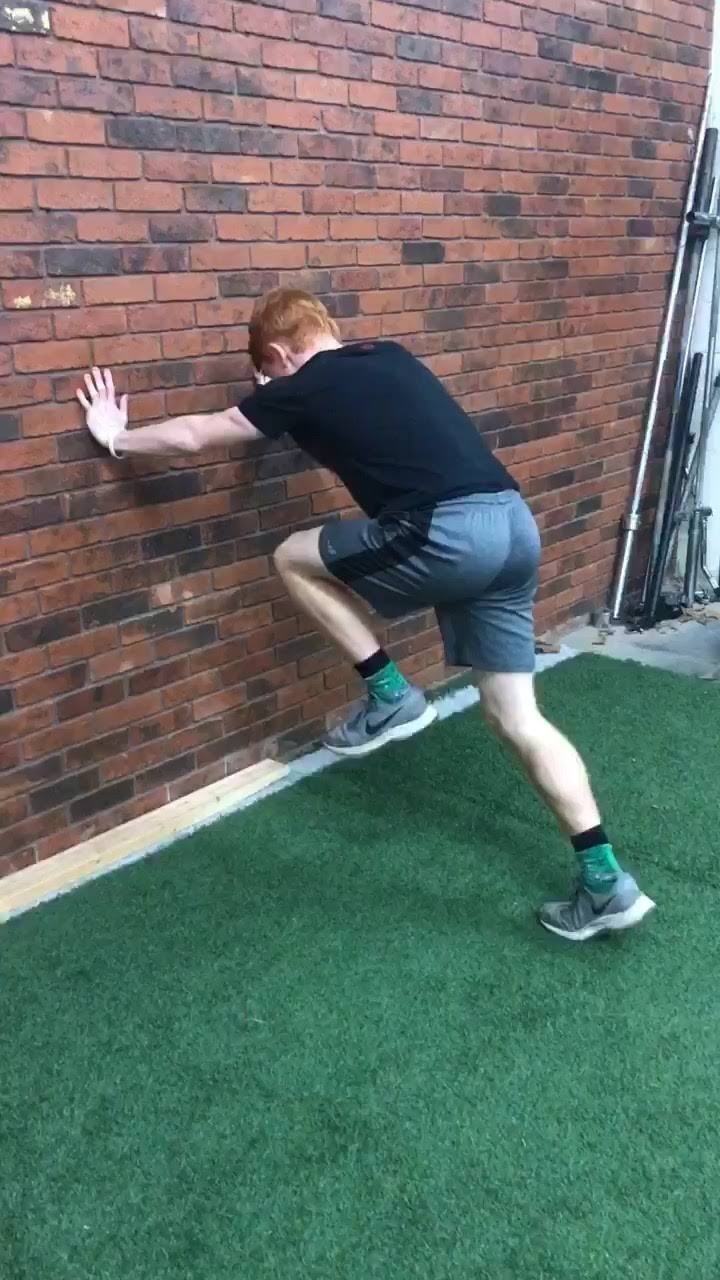
I've seen so many coaches assign the same exercises for an 11-year-old and a 15-year-old. Sometimes that appropriate, sometimes its't not.
Usually the younger athlete is overwhelmed.
The older athlete is bored.
Both get little out of the session.
This is a problem we see over and over: organizations find something cool on the internet and assume “one workout fits all.”
And when that happens, effort replaces adaptation. Sweat replaces results.
Progressions and regressions aren’t optional. They’re the backbone of real athletic development.
Why “One-Size-Fits-All” Fails
Athletes arrive with wildly different:
Strength levels
Speed exposures
Coordination abilities
Movement experience
Yet in too many instances, they get the same drill, same set, same reps, same intensity.
The result?
Some athletes plateau immediately
Some get injured from overload
Some coast through sessions without meaningful stress
Effort isn’t development. Progression is.
The Power of Intentional Progression
A progression isn’t just “harder work.”
It’s a carefully planned increase in challenge, aligned with the athlete’s current ability.
Progressions allow:
Skill to build gradually
Nervous system adaptation
Confidence growth
Performance gains without breaking athletes
For example:
Sprint mechanics start with short, low-intensity runs
Gradually increase distance, intensity, and complexity
Introduce resisted or assisted variations only after mastery
The goal is incremental, measurable improvement—not just fatigue.
Why Regressions Are Critical
If progressions are the ladder, regressions are the safety net.
Every athlete hits a point where fatigue, injury, or confidence slows growth.
Ignoring that point isn’t tough—it’s reckless.
Regressions allow:
Athletes to train effectively despite setbacks or their current ability level
The system to remain consistent
Confidence and performance to remain intact
Example:
A young athlete struggles with single-leg hops. Instead of forcing the standard drill, the coach scales back to two-leg hops, then reintroduces complexity once proficiency returns.
Without regressions, development stalls, risk rises, and frustration grows.
Story: The Club That Thought “Harder is Better”
I visited a club last season where strength coaches assumed every athlete could handle the same load.
12-year-olds were lifting like 16-year-olds.
14-year-olds were sprinting fatigued to “match peers.”
Result?
Two minor injuries in the first week
Several athletes seemed unmotivated
Measurable gains were negligible
Contrast that with a neighboring club using planned progressions and regressions:
Short, intentional exposures per athlete level
Adjusted daily based on readiness
Constant feedback loops
Athletes thrived. Performance improved. Injuries dropped. Confidence soared.
Progressions & Regressions Are System-Level Decisions
This isn’t about individual coaches making on-the-fly decisions.
It’s about the organization owning a framework that answers:
How do we decide where each athlete starts?
How do we increase difficulty over time?
How do we scale back when necessary?
How do we track adaptation and performance?
When every session, drill, and program is built with these questions in mind, development becomes repeatable, scalable, and measurable.
Why Directors Must Lead This Shift
Directors often assume that “skill coaches can handle it.”
The reality: team coaches aren't strength coaches.
The organization needs:
Clear entry points for each drill
Defined progressions for every skill
Built-in regressions
Data to confirm adaptation
Without leadership, progressions are inconsistent, regressions rarely happen, and development stalls—exactly the opposite of the organization’s intent.
The Consequences of Skipping This Step
When progressions and regressions are ignored:
Speed, power, and coordination stagnate
Confidence erodes
Injuries rise
Parents seek solutions elsewhere
Clubs wonder why early gains don’t persist
Effort alone can’t replace structure. Sweat cannot replace sequencing.
What This Means for Your Organization
If your organization:
Assumes “harder equals better”
Relies on coach intuition without a framework
Doesn't have a strength and conditioning department
…then your athletes are not progressing as fast as they could.
Intentional progression + regression = consistent, measurable, long-term development.
👉 If you’re ready to implement a system that ensures every athlete is training at the right level, at the right time, with the right adjustments, visit our Teams & Partnerships page. We help large travel organizations standardize speed and athletic development across teams to become your remote strength and conditioning department.
When systems are aligned, coaches coach, athletes improve, and development stops being random.